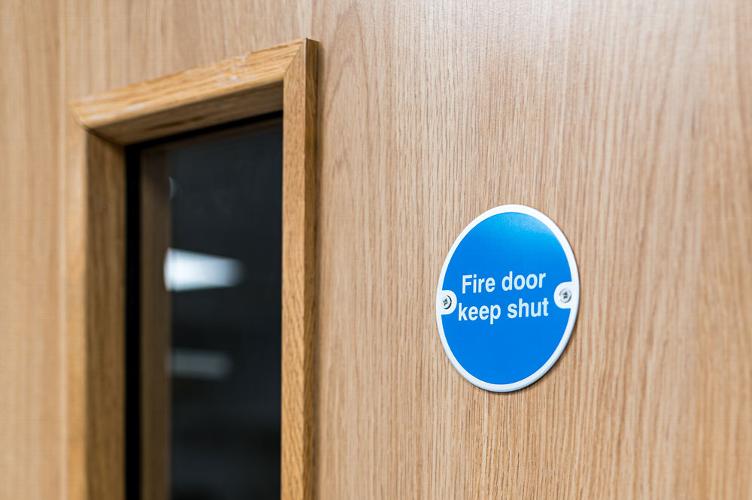
Are Fire Door Inspections a Legal Requirement in the UK?
Yes, fire door inspections are a clear legal requirement under UK fire safety legislation. Every business, landlord, property manager, or “responsible person” is bound by law to ensure that fire doors are regularly checked and maintained. This isn't just about compliance, fire doors are a vital line of defence, helping contain fire and smoke, and protecting evacuation routes to support safe escape for building occupants.
In this article, we'll explain the legal requirements for fire doors in the UK, outline why inspections matter, clarify who is responsible, and provide step-by-step advice on arranging a fire door inspection. With the support of specialists like Wyvern Risk Management Limited, staying compliant and safe is straightforward.
Why Must Fire Doors Be Inspected Regularly in the UK?
Fire doors are essential for life safety. They are a key part of passive fire protection, designed to slow down or prevent the spread of smoke and fire through a building.
Compartmentation
Fire doors segment buildings into separate compartments. This containment holds fire and smoke in one area for 30–60 minutes, protecting escapes and limiting property damage.
Safe Evacuation Routes
Properly installed and maintained fire doors help ensure escape routes remain viable long enough for all building users to reach safety.
Correct Function
Regular fire door inspections confirm that intumescent and smoke seals, door closers, and hinges are working correctly. Even minor faults, such as damaged seals or propped-open doors, can render a fire door ineffective.
Prevention of Common Failures
Poorly maintained fire doors, missing or broken self-closing devices and seals, unauthorised alterations, or wedged-open doors are among the leading causes of failed safety inspections in the UK. These failures place lives, properties, and businesses at serious risk.
Legal Obligation
Regular fire door inspection is not just best practice but a legal obligation. Poor maintenance can invalidate your building insurance and result in prosecution under UK fire safety law.
What Are the Current Laws on Fire Doors in the UK?
Legal requirements for fire doors in the UK are set by robust fire safety legislation and are strictly enforced by local authorities and the Fire and Rescue Service. Understanding these laws is crucial for anyone responsible for property management, business premises, rental accommodation, or shared buildings. The legislation is designed to protect life by preventing the spread of fire and smoke, maintaining safe evacuation routes, and ensuring building safety compliance. Regulatory Reform (Fire Safety) Order 2005: Mandates that building owners and managers carry out fire risk assessments and maintain fire safety measures, including all fire doors.
1. Regulatory Reform (Fire Safety) Order 2005 (FSO)
The Fire Safety Order is the cornerstone of UK fire safety law and applies to almost all non-domestic premises, including workplaces, commercial premises, public buildings, and the common areas of multi-occupied residential buildings (including blocks of flats and HMOs).
Key requirements under the FSO include:
- Fire Risk Assessment: Every building must have a suitable and sufficient fire risk assessment that is continuously reviewed and updated. The assessment must address all aspects of fire safety, including the condition and suitability of fire doors.
- Maintenance of Fire Safety Measures: All fire safety installations, including fire doors, must be properly maintained in working order. This means regular inspection, testing, and timely repair of any faults found.
- Duties of the Responsible Person: The “responsible person” (building owner, employer, landlord, or agent) must ensure compliance with fire safety obligations, including managing fire doors.
2. Fire Safety (England) Regulations 2022
Brought into effect following the Grenfell Tower tragedy, these regulations introduce much more specific obligations for high-rise and multi-occupied residential buildings in England, particularly those over 11 metres tall. Their purpose is to ensure all fire safety arrangements, especially the maintenance of fire doors, are robustly checked and documented.
Main responsibilities under these regulations:
- Quarterly Fire Door Checks (Communal Areas): The responsible person must ensure all fire doors in communal areas (corridors, stairwells, shared spaces) are checked at least every three months. This is especially relevant for blocks of flats and high-rise buildings.
- Annual Fire Door Checks (Flat Entrances): Entrance doors to individual flats that open onto communal areas must be checked at least once every 12 months for compliance and maintenance issues.
- Provision of Information to Residents: Residents should be informed about the importance of fire doors, why they must not be tampered with or wedged open, and the need to report damage.
Who Must Comply?
- Owners and managers of blocks of flats
- Landlords of HMOs and private rented properties
- Employers and operators of commercial premises
- Owners or management agents of shared buildings and public facilities
Summary of Legal Requirements For Fire Door Inspections
- Routine, Documented Inspections: All fire doors, whether serving flats, commercial spaces, or communal areas, must be regularly checked, with comprehensive records kept. This means inspection dates, findings, and any remedial action should be clearly logged.
- Prompt Repairs: Any defective or non-compliant fire doors identified during inspections must be repaired or replaced without delay.
- Compliance Evidence: Documentation demonstrating compliance must be readily available for regulatory authorities or upon request during official fire safety audits or inspections.
- Fire Risk Assessments: Risk assessments must be updated to reflect the current state and maintenance schedule of all fire doors, alongside other fire safety provisions like alarms and extinguishers.
- Penalties for Non-Compliance: Failing to meet these legal requirements for fire doors can result in enforcement action, including notices, financial penalties, prosecution, and potentially invalidated insurance if a claim arises from insufficient fire safety.
Fire door legislation continues to evolve, reflecting growing focus on protecting occupants of all types of buildings. The safest and simplest way to ensure you meet the legal requirements for fire doors in the UK is to work with accredited fire safety professionals, keep records up to date, and commit to regular, thorough checks.
What Is a Business Owner's Responsibility Under Fire Door Legislation?
Owners, managers, and employers are classified as the “Responsible Person” under UK law and have strict legal duties:
- Maintain Fire Door Integrity: Ensure fire doors and self-closing devices are installed and maintained correctly, with no unauthorised modifications or damage.
- Arrange Regular Inspections: Organise scheduled, professional fire door inspection in accordance with regulatory requirements, particularly for buildings over 11m or multi-occupancy dwellings.
- Keep Adequate Records: Diligently record each inspection, defect findings, and any remedial action taken. Records must be accessible to inspecting authorities.
- Act Promptly on Issues Identified: Carry out repairs or replacements immediately if a defect is identified, ensuring safety is never compromised.
Fire Door Inspection Regulations Apply To
- Employers and business owners in commercial premises
- Landlords of private, public, or social housing
- Managing agents overseeing property on behalf of owners
- Anyone owning, operating, or responsible for a business or communal premises
Risks of Non Compliant Fire Doors
Failure to fulfil these responsibilities can lead to prosecution, fines, or even imprisonment, and may invalidate your insurance cover.
Who Is Responsible for Fire Door Inspections in a Building?
The law is very clear that fire safety compliance, including legal requirements for fire doors in the UK, rests primarily with the designated “Responsible Person”. Understanding exactly who holds this responsibility and how it can be met is essential for all building owners, managers, and occupiers.
Responsible Person Defined
The “Responsible Person” is a term clearly set out in the Regulatory Reform (Fire Safety) Order 2005. It refers to any individual or organisation with control over premises, typically including:
- Employers: Responsible for workplaces and ensuring staff/visitors are safe from fire risks.
- Landlords: Responsible for residential rented properties, including blocks of flats, HMOs, and multi-occupied buildings.
- Building Owners: Particularly for communal or shared areas in multi-tenanted buildings.
- Managing Agents: Where day-to-day building management is outsourced, agents assume compliance duties.
If more than one person has control (for example, a landlord and a managing agent), the law requires all relevant parties to work together to meet their responsibilities regarding fire safety and fire door inspection.
Appointment of Competent Person
The Responsible Person can and often should appoint a “competent person” to assist with fire safety tasks, such as fire door inspections. The competent person must possess adequate training, qualifications, and experience relevant to fire safety requirements. This ensures:
- Inspections are thorough, in accordance with British Standards and law.
- All necessary records are kept and remedial actions are identified.
- Any advice provided is up to date with current regulations.
Wyvern Risk Management Limited, for example, offers highly qualified fire safety professionals, ensuring your fire door inspection is fully compliant and carries required certifications.
Certification and Qualifications
It is recommended to only employ fire door inspectors who are independently certified and accredited. These include, but are not limited to:
- FDIS (Fire Door Inspection Scheme)
- BM TRADA
- SSAIB
- FPA and Third-Party BAFE SP205 Accreditation
Accreditation ensures inspectors meet high standards for knowledge, training, and impartiality, reducing the risk of overlooked defects or errors in compliance documentation.
Shared Responsibilities and Communication
In multi-tenanted, shared, or managed premises, fire safety duty can be complex. For instance:
- Blocks of Flats: Landlords or building owners are responsible for communal doors, but leaseholders may be accountable for flat entrance doors. Good communication and coordinated inspections are essential.
- Commercial Estates: Facilities management organisations should collaborate closely with individual tenants and building owners to maintain regular inspections.
Missed responsibilities or unclear arrangements can expose all parties to prosecution if inspections are not correctly carried out and documented, so it is vital to clarify duties in contracts and tenancy agreements.
How Should Fire Doors Be Inspected to Meet Legal Requirements?
Thorough and regular fire door inspections are crucial to fulfilling the legal requirements for fire doors in the UK. Inspections must be systematic, evidence-based, and combine several in-depth checks to fully verify a fire door is fit for its critical life-safety role. Here's what a compliant fire door inspection involves:
Visual Fire Door Checks
The initial stage of a fire door inspection is a detailed visual appraisal of each door, ensuring they meet required standards and have not suffered from damage, tampering, or improper repairs. Inspectors will look for:
- Physical Defects: Signs of warping, splits, holes, vandalism, or delamination of the door leaf or frame.
- Unauthorised Modifications: Evidence of after-market work, drilling, new locks or letterboxes, or non-approved hardware.
- Door and Frame Alignment: Ensuring the door sits square and closes smoothly into the frame.
- Certification Labels: Checking for visible, intact manufacturer's or certifier's labels to prove the door is a genuine fire door and determine its fire rating.
- Compliance Markings: Verifying all components (hinges, closers, seals) have necessary CE or UKCA markings.
Functional Fire Door Checks
Fire doors also require hands-on functional tests to ensure every component works properly and can withstand real fire conditions:
- Gap Measurements: Gaps around the perimeter of the closed door (especially between the door and frame) are measured, typically expected to be 3–4mm to maintain an effective seal and prevent smoke ingress.
- Intumescent and Smoke Seals: Checking these seals are present on all edges as required, undamaged, and continuous. Damaged or missing seals are a common reason for failed compliance.
- Hinges: There must be a minimum of three robust, CE (or UKCA) marked hinges firmly screwed in. The condition of the screws and any evidence of wear or missing fixings are key checks.
- Self-Closing Devices: The inspector will open the door fully, then let it go to confirm it closes fully and latches without intervention every time. This is critical, as propped or faulty closers severely reduce fire effectiveness.
- Furniture and Ironmongery: All handles, locks, panic bars, and other hardware must be fit for purpose and not impair the performance of the fire door.
- Glazing (if present): Any glass within the fire door must be fire-rated, properly bedded, and free from cracks or chips.
Frequency of Fire Door Inspections
The frequency and level of inspection depend on the building type, occupancy, and its risk profile:
- Routine in-house inspections: Should be conducted monthly or quarterly by the responsible person, caretaker, or maintenance staff, particularly in high-rise, high-occupancy, or high-risk premises.
- Annual professional inspections: Should be performed by a qualified fire door inspector with recognised certification (e.g. FDIS, BM TRADA, BAFE SP205). External inspectors offer impartiality and deep expertise, essential for legal compliance.
- Additional checks: Should be scheduled after incidents (repairs, break-ins, complaints), refurbishment, or upon changes to occupancy.
Fire Door Documentation and Record Keeping
Meticulous record-keeping is a core component of compliance:
- Audit Trail: Keep records for each fire door, including location, serial number if present, inspection dates, findings, defects, remedial actions, and the name of the inspector.
- Logbook: Use a dedicated fire safety logbook or digital system to track maintenance and repair history.
- Accessibility: Ensure that inspection records are readily accessible for review by fire authorities, insurers, or enforcing bodies.
- Evidence of Compliance: Well-documented inspections and remedial work provide legal protection if compliance is ever questioned following an incident.
Why This Matters
Failing to carry out thorough fire door inspections can put lives at risk and lead to prosecution, fines, or invalid insurance. Regular, systematic inspections with detailed documentation ensure that every fire door will perform as required in an emergency, safeguarding not just property, most importantly, people. For complete legal peace of mind, always use a certified professional such as Wyvern Risk Management Limited for your annual fire door inspections.
What Are the Consequences of Not Having a Fire Door Inspection?
Neglecting your legal requirements for fire doors in the UK can have severe repercussions:
Legal Penalties
Failure to comply with the legal requirements for fire doors in the UK exposes building owners, employers, and responsible persons to significant legal penalties. Authorities have the power to impose substantial fines for breaches of fire safety law. In more severe cases, enforcement or prohibition notices can be served, which may restrict the use of all or part of a building until the necessary fire safety improvements are made. Persistent non-compliance or gross negligence can result in criminal prosecution, with the potential for imprisonment, especially if people are put at risk due to inadequate fire safety measures.
Financial Risks
Neglecting fire door inspections or ignoring maintenance recommendations can have serious financial consequences. Insurance companies may reject claims if it is shown that fire safety compliance has not been properly demonstrated, leaving the responsible parties to cover losses out of pocket. The aftermath of a failed inspection can also bring costly remedial work and cause operational disruption. Furthermore, public knowledge of fire safety breaches can damage the reputation of a business or property owner, eroding client or tenant trust and potentially impacting future business opportunities.
Safety Hazards
The most critical consequence of not inspecting and maintaining fire doors is the risk to life and property. Faulty, damaged or propped-open fire doors may fail to contain fire and smoke, allowing them to spread rapidly throughout a building. This not only increases the danger to occupants but also undercuts safe evacuation routes and can lead directly to injuries or fatalities. Real-world fire investigations repeatedly show that inappropriate fire door use or maintenance is a common factor in serious incidents and tragic outcomes.
Responsibility and Liability
Ultimately, the legal responsibility rests with the designated “Responsible Person”. They can be held personally and financially liable for any adverse consequences that arise from a failure to fulfil fire safety obligations. This liability covers prosecution, fines, the costs of remedial action, and, most gravely, accountability for any harm caused to building occupants due to non-compliance.
How Do I Arrange a Fire Door Inspection in the UK?
Arranging a fire door inspection is straightforward with Wyvern Risk Management Limited. Just contact us to book a survey with a fully accredited, expert fire door inspection team. We will provide:
- A thorough site survey identifying every fire door and its function in your building
- Detailed inspection reports highlighting compliance, remedial needs, and recommendations
- Competitive turnaround times, many customers receive reports within days
- Clarity and guidance on next steps for repairs or upgrades
Always select a provider who is BAFE SP205 accredited (backed by UKAS), has relevant sector experience, and can deliver clear, compliant documentation for your building.
Book a Professional Fire Door Inspection Today
Want to guarantee your fire safety compliance, protect your occupants, and get real peace of mind? Book your fire door inspection with Wyvern Risk Management Limited today. Our accredited team delivers fast, professional surveys and clear advice, helping you stay fully compliant with legal requirements for fire doors in the UK. Don't risk your safety or reputation, ensure your fire doors are inspected now.
Our Fire Door Inspections Contact Us Today