What Are Fire Risk Assessments in the UK and Why Are They a Legal Requirement?
A fire risk assessment in the UK is a structured review of your premises to identify potential fire hazards, evaluate levels of risk, and recommend control measures to protect occupants and property.
This process is mandated by law under the Regulatory Reform (Fire Safety) Order 2005, which applies to almost all non-domestic premises in England and Wales. This includes workplaces, blocks of flats (particularly communal areas), HMOs, holiday lets and commercial buildings. The UK law requires a “Responsible Person” to ensure a suitable and sufficient assessment is done and kept up to date, failure to do so risks enforcement notices, fines, or even imprisonment. Fire Risk Assessments are enforced by local Fire and Rescue Authorities and are designed to provide occupants with as much protection as possible whilst ensuring legal compliance.
What Does a Fire Risk Assessment Include?
A professional fire risk assessment in the UK, delivered by Wyvern Risk Management Limited, offers a thorough examination across several areas:
Identification of Ignition Sources
From electrical wiring to kitchen appliances and heaters, these are flagged as potential fire starters.
Identification of Fuel Sources
Assess what could feed a fire, such as furniture, flammable liquids, stored waste or stock.
Identification of People at Risk
Considers everyone on the premises, especially staff, visitors, and vulnerable individuals.
Evaluation of Fire Detection and Alarm Systems
Reviews whether alarm systems are effective and appropriately installed.
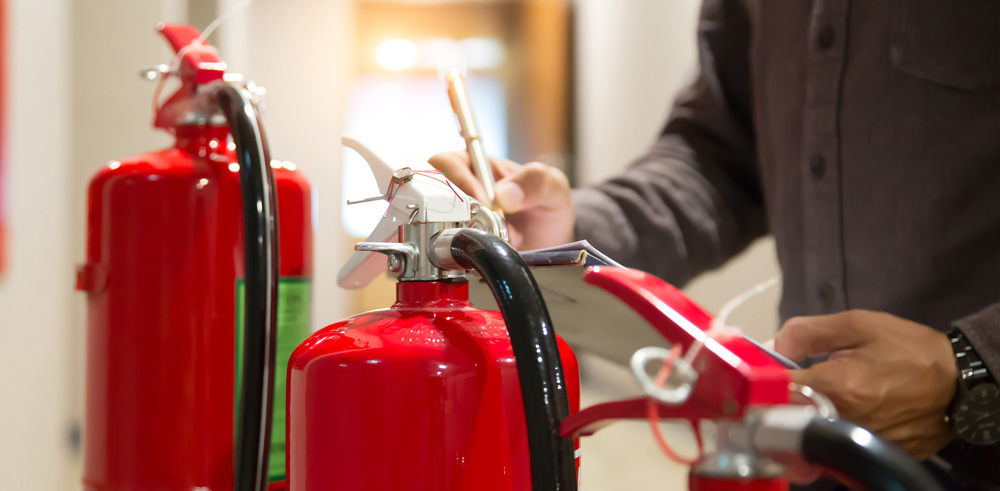
Assessment of Fire-Fighting Equipment
Checks the readiness and placement of extinguishers or hose reels.
Review of Escape Routes and Emergency Lighting
Analyses if escape routes are accessible and emergency lighting is functional.
Fire Door and Compartmentation Inspection
Ensures fire doors work and compartmentation will slow fire spread.
Fire Safety Signage and Instructions
Checks signage is clear and visible for easy evacuation.
Staff Training and Fire Drill Assessment
Makes sure all staff are trained and fire drills are routinely practiced.
Recording and Action Plans
Especially for employers with 5 or more staff, findings must be recorded and prioritised actions set out.
How Often Should a Fire Risk Assessment Be Carried Out?
Regulations don't set a fixed expiry date for fire risk assessments in the UK; instead, they must be reviewed:
When Layout or Structure Changes
Any alterations in the building require an updated assessment.
If Business Activities Change
A shift in the type of work or services offered can impact fire risk.
After a Fire Incident
Learning from incidents requires immediate assessment updates.
If the People at Risk Change
New tenants, vulnerable occupants, or changes in staff numbers trigger a review.
Annual Reviews are Recommended As Best Practice
Most workplaces benefit from reviewing annually, but high-risk sites may need more frequent checks.
Who Can Carry Out a Fire Risk Assessment in the UK?
A fire risk assessment in the UK must be carried out by a “competent person.” But what exactly does this mean in practice? The law defines competence as having the necessary skills, knowledge, and experience to identify fire hazards, assess risk accurately, and make robust recommendations. Choosing a qualified assessor is vital to ensure both compliance and genuine safety in your building.
Here's what to look for when selecting a fire risk assessor:
Third-Party Accreditation
Look for assessors or companies with third-party accreditation. Accreditation by reputable schemes such as BAFE SP205, or registration as members of the Institute of Fire Engineers (IFE) or Institute of Fire Safety Managers (IFSM), signals that the assessor meets industry standards and is independently verified. This also provides added assurance if you ever need to demonstrate due diligence to a regulator or in court.
Relevant Training
A good fire risk assessor should have completed specific training in fire safety and fire risk assessment. This can include recognised courses or qualifications from professional bodies or accredited organisations. Proper training ensures the assessor understands the technical aspects and evolving best practice in fire safety.
Experience
Experience on the ground is invaluable. An assessor with practical experience will be able to spot subtle hazards and know the common pitfalls that less experienced practitioners might overlook. Look for assessors who have a solid track record with similar property types, whether that's flats, HMOs, commercial sites, or complex or historic buildings.
Fire Safety Law Knowledge
An up-to-date understanding of UK fire safety legislation is essential. The best assessors will know not only the Regulatory Reform (Fire Safety) Order 2005 but also recent changes, such as the Fire Safety Act 2021 and relevant new guidance or regulations affecting residential and commercial spaces. This knowledge is crucial for ensuring your assessment aligns with current legal duties.
Understanding of Building Construction and Fire Behaviour
Different buildings present different risks, depending on their construction, occupancy, and usage. A competent assessor has practical insight into how fire could start and spread within your specific building, whether it's a modern office, heritage site, or multi-storey residential block. This understanding enables the assessor to make realistic recommendations and tailor the fire safety strategy for your premises.
Specialist Skills for High-Risk/Complex Premises
If your building is especially complex or high risk, such as care homes, hospitals, high-rise blocks, or sites where vulnerable occupants live, choose an assessor who has specialist knowledge and experience with these types of properties. Specialist assessors will be aware of additional risks and compliance needs particular to such buildings, ensuring your fire risk assessment is robust and actionable.
Appointing someone competent to conduct your fire risk assessment is more than just a legal tick-box, it's a crucial step in protecting lives and property. By insisting on the qualities above, you'll help secure both your legal compliance and peace of mind.
Wyvern Risk Management's team of BAFE-accredited and professionally certified fire risk assessors is happy to discuss your requirements, just get in touch for advice or bookings.
Who Is Responsible for Making a Fire Risk Assessment?
Legal responsibility for fire risk assessments in the UK falls to the “Responsible Person”, and this responsibility cannot be delegated.
Employer Responsibility
In workplaces, the employer is accountable.
Building Owner or Managing Agent
In leased premises or shared buildings, control falls to the owner or agent.
Landlords of Communal Areas
Landlords must ensure compliance in blocks of flats, especially corridors or stairwells.
Person in Control
Ultimately, whoever has control over the premises takes on this duty.
Can I Do My Own Fire Risk Assessment?
Yes, you can legally undertake your own fire risk assessment in the UK. However, this responsibility is only suitable if you are genuinely competent to do so. The law requires the “responsible person” to ensure any assessment is completed by someone who has the necessary skills, knowledge, and experience, what's known as being a “competent person.”
What Does It Mean to Be a Competent Person?
A competent person for a fire risk assessment isn't simply someone who is willing, but someone who can confidently and accurately:
- Identify All Fire Hazards within a property
- Understand How Fire Can Start and Spread based on the building's materials, construction, layout, and use.
- Assess Who Is at Risk, including staff, visitors, or vulnerable occupants.
- Recommend Suitable Control Measures to reduce risk and ensure compliance with fire safety law.
- Keep Up-to-Date with Fire Safety Legislation and guidance relevant for your building type and industry.
Competency is typically achieved through a combination of formal fire safety training, practical experience, and an up-to-date knowledge of UK fire safety law, particularly the Regulatory Reform (Fire Safety) Order 2005 and any more recent updates.
If you lack confidence in any aspect of these requirements, it's advisable to appoint a professionally accredited assessor.
Risks of DIY Fire Risk Assessments
Attempting a fire risk assessment without the appropriate competence can expose people and property to avoidable danger, and potentially land you in breach of UK regulations. Common shortcomings include:
Compartmentation Issues Overlooked
Professional assessors are trained to inspect fire-resistant walls, ceilings, and floors that slow fire spread between areas. This is often missed by non-experts.
Fire Door Defects Missed
Fire doors must meet specific standards and be correctly fitted and maintained. In-depth knowledge is needed to detect missing seals, faulty closers, or damage that could affect performance.
Escape Routes Not Adequately Calculated
Assessing safe evacuation involves more than simply spotting a clear corridor. Professionals understand maximum travel distances, lighting, signage, and the needs of all occupants, including the disabled.
Only carry out your own fire risk assessment if you are certain that you are competent in fire safety and understanding of the law. If in doubt, or if your building is anything beyond a very simple, low-risk premises, always seek expert help. This will safeguard occupants, protect your business, and demonstrate proper diligence should the fire service ever visit or an incident occur.
For a full breakdown of the law, who counts as a “competent person”, and when it's better to bring in an expert, read our dedicated guide: Can I Do My Own Fire Risk Assessment?
Do Landlords Need a Fire Risk Assessment in the UK?
Landlords in the UK have definitive legal duties regarding fire risk assessments, designed to protect tenants and safeguard buildings against the threat of fire. Ensuring compliance is not just about meeting a legal requirement, it is about demonstrating commitment to the safety and wellbeing of everyone living in or using your properties. You must carry out a fire risk assessment if:
You Own HMOs or Blocks of Flats
Communal corridors and stairwells must be assessed.
You Manage Mixed-Use Buildings
Both commercial and domestic common spaces need full risk reviews.
Single Dwellings Are Generally Exempt Internally
Fire assessments remain necessary for shared spaces.
Additional Requirement for HMOs under the Housing Act 2004
Specific standards apply, and additional action must be taken for compliance.
Managing Agents Involvement
Coordination with agents is often necessary to meet legal requirements.
Remember, communal areas are almost always covered by law, so don't overlook your obligations.
Do Holiday Lets and Fee Paying Guest Accommodation Require a Fire Risk Assessment?
If you operate any property in the UK where guests pay to stay, carrying out a fire risk assessment is not optional, it is a legal requirement. This includes a wide range of holiday accommodation types, and the rules apply whether you are running a single Airbnb or a larger guest house.
Which Types of Accommodation Are Covered?
Holiday Cottages and Airbnb Properties
If you receive payment from guests, your holiday cottage, apartment, or Airbnb property is classed as a commercial premises for fire safety legislation and must have a fire risk assessment in place.
Guest Houses and Bed & Breakfasts (B&Bs)
Guest houses, B&Bs, and inns are all treated as commercial ventures. The responsibility for assessing and managing fire risk rests squarely with the owner or operator.
Serviced Apartments and Short-Term Lets
Any property offered as self-contained short-term lodgings falls under the same legal requirements as hotels and guest houses for fire safety purposes.
What Must Be Assessed?
Fire Detection Systems
It isn't simply about having any smoke alarm; you must ensure you have the right type and number of alarms for the size and layout of your property. The system must provide early warning to all guests, wherever they are in the accommodation.
Escape Routes and Emergency Lighting
Every guest property must have clearly identified, unobstructed escape routes. These routes need to be accessible to all potential guests, including those with mobility issues. Proper emergency lighting is also a fundamental requirement to help occupants find their way out in the event of a fire, especially at night or if visibility is poor due to smoke.
Fire-Fighting Equipment
Suitable extinguishers and/or fire blankets should be provided in accessible locations, and staff (where relevant) should be aware of their correct use.
Signage and Guest Instructions
Guests should be provided with clear information on what to do in case of fire, including evacuation instructions and details of the nearest exits.
Fire Safety Law For Holiday Lets
Do Small Businesses Need a Fire Risk Assessment?
Absolutely, UK legislation makes it clear that every business, regardless of size or sector, is responsible for fire safety in its premises. This duty applies whether you run a large factory, a small corner shop, or simply work from a home office that has client or public access. Understanding these obligations is vital to both legal compliance and the safety of your employees, clients, and property.
You will need a fire risk assessment if:
You Run A Single Employee or Home Offices
Fire risk assessments are required if clients or the public visit.
Written Record for Five or More Employees
Where you have a team of five or more, your assessment must be documented.
Premises Subject to Licensing
If your venue is licensed, assessments become a legal prerequisite.
Enforcement Notice Issued
If the fire authority issues notice, robust assessment and documentation are demanded.
Covers All Business Types
From shops, salons, restaurants and warehouses, no business is exempt.
All small businesses in the UK are legally obliged to carry out fire risk assessments, update them regularly, and keep appropriate records, especially when staff numbers increase or legal notifications arise. For peace of mind and full legal compliance, many small business owners turn to accredited experts such as Wyvern Risk Management Limited, ensuring nothing is missed and duties are clearly fulfilled.
How Do I Prepare for a Fire Risk Assessment?
Being ready not only makes the process smoother but demonstrates your commitment to safety and compliance:
Collate Alarm Servicing Records
Keep a record of all fire alarm checks and servicing.
Provide Extinguisher Maintenance Certificates
Make sure proof of servicing is available for the assessor.
Make Past Assessments Accessible
Previous records support better continuity and benchmarking.
Confirm Fire Drills Are Logged
Fire drill records show ongoing commitment to safety.
Clear Escape Routes
Remove obstacles so exits remain accessible and compliant.
Check Fire Doors
Ensure all fire doors are functioning and close properly.
Prepare Electrical Safety Certificates
Assure your assessor any electrical systems are tested and certified.
Inform Staff or Occupants of Visit
Let everyone know an assessment will be taking place.
Facilitate Access to Plant or Utility Areas
Full visibility makes for a more accurate fire risk assessment.
What Should You Be Looking For in a Fire Risk Assessment Company?
Choosing a qualified fire risk assessment provider in the UK is key to legal compliance and peace of mind. Wyvern Risk Management Limited recommends you consider the following:
Third-Party Certification (BAFE or Equivalent)
This confirms the provider's credentials.
Assessor Qualifications
Look for up-to-date relevant training and accreditation.
Relevant Experience
Check experience aligns with your specific property type.
Structured, Clear Reports
Reports should be practical, detailed and risk-rated, not just paperwork.
Action Plan Provided
Each assessment must include prioritised recommendations.
Ongoing Support
You need access to advice and follow-up services when circumstances change.
Professional Indemnity Insurance
Protects you in the event of professional mistakes.
Clear Pricing
Transparent quotes avoid hidden costs.
Client Feedback and Case Studies
Real-world examples and testimonials demonstrate reliability.
Legislation Knowledge
Ensure they are current with all UK fire safety regulations.
Book Your Fire Risk Assessment with Wyvern Risk Management
Fire risk assessments in the UK are your legal and practical shield against fire hazards, loss and prosecution. Wyvern Risk Management Limited delivers accredited, thorough fire risk assessments you can trust.
Get in touch today to protect your property, staff and reputation with expert support.