How Often Should Fire Doors Be Inspected in the UK?
“How often should fire doors be inspected?” is a vital question for anyone responsible for building safety and compliance in the UK. The frequency of fire door inspections depends on your building's type and use, but as a rule, inspections should take place every six months for most commercial sites and at least every three months for busy or high‑risk premises. Keeping up with these inspections is essential for ensuring the safety of occupants, protecting property and demonstrating compliance with UK fire safety laws.
What Is the Legal Requirement for Fire Door Inspection Frequency in the UK?
UK law establishes clear expectations for fire door maintenance and inspection. Here are the main legal requirements:
Regulatory Reform (Fire Safety) Order 2005
This law requires that fire safety equipment, including fire doors, is maintained in efficient working order.
Duty of the Responsible Person
Whoever manages the premises (owner, landlord, agent) is legally responsible for ensuring fire doors are regularly checked.
Efficient Working Order
Fire doors must not just be installed, they must function correctly at all times.
Fire Risk Assessment
The frequency of fire door inspections should be based on your building's fire risk assessment findings.
Enforcement
Fire authorities can issue notices or pursue prosecution if there's inadequate inspection and maintenance, leading to potentially unlimited fines.
Wyvern Risk Management supports clients in Bristol, Bath and throughout the South West to stay fully compliant, avoid penalties, and protect their property and people.
What Do the Fire Safety England Regulations 2022 Say About Fire Door Inspection Frequency?
The Fire Safety England Regulations 2022 brought in stricter rules about how often fire doors need to be inspected in the UK. For multi‑occupied residential buildings over eleven metres in height, communal fire doors must be checked every three months, and flat entrance doors require annual inspections. These changes increased legal accountability for managing agents, landlords and Responsible Persons, signalling the government's focus on life safety compliance.
How Often Should Fire Doors Be Inspected in Commercial Buildings?
For commercial premises throughout the UK, “how often should fire doors be inspected?” is a crucial question that depends on building type, occupancy, and specific risks.
Good practice recommends the following inspection intervals and considerations:
Standard Workplaces
All commercial buildings, such as offices, shops and business units, should have their fire doors checked at least every six months. This interval helps catch general wear and tear and ensures doors remain compliant with fire safety regulations.
High Traffic Areas
Buildings with busy entrances, corridors, or areas used frequently by staff and the public, such as retail centres, hospitality venues, and healthcare settings, should arrange for fire door inspections every three months. Increased usage can accelerate wear, making more frequent checks essential.
Heavy Use or Prone to Damage
If your premises have fire doors that are subject to intense, repeated use or vulnerable to impacts and misuse (such as delivery zones or main entrance doors), it's wise to increase inspection frequency. Consider inspections every one to three months to capture any early signs of deterioration.
Warehouses and Specialist Premises
Environments like factories and warehouses present unique challenges. Here, a risk-based inspection schedule is best. Factors such as door size, exposure to heat, chemicals, or mechanical stress may require more regular checks. Tailor inspection intervals according to your specific on-site risks.
How Often Should Fire Doors Be Inspected in Blocks of Flats?
Fire door inspections are a key aspect of safety management in residential blocks of flats across the UK, ensuring the protection of all occupants and facilitating safe escape routes in the event of a fire. Current legislation and best practice guidance set out clear inspection frequencies based on building height and usage.
Communal Fire Doors (Buildings Over Eleven Metres)
In multi-occupied residential buildings over eleven metres in height, communal fire doors, such as those on corridors and stairwells, must be inspected at least every three months. These doors are vital in containing fire and smoke in shared escape routes, where any fault could have severe consequences for multiple residents.
Flat Entrance Doors (Buildings Over Eleven Metres)
Additionally, the entrance doors to each individual flat must be checked at least once a year. These doors form a crucial barrier between private living spaces and communal areas, helping to prevent the spread of fire from one flat to common corridors or vice versa.
Blocks Under Eleven Metres
Smaller residential buildings (under eleven metres) are not exempt from fire safety responsibilities. Although statutory intervals are not as strictly prescribed, the Regulatory Reform (Fire Safety) Order 2005 still requires regular checks of all fire doors, both communal and flat entrance doors, to ensure they remain effective and compliant.
Importance of Regular Inspections
Adhering to these legal inspection intervals is critical for several reasons:
- It ensures that all fire doors function as intended to safeguard lives and property.
- It provides a clear record of compliance, which may be required in the event of a fire safety audit or incident investigation.
- It helps landlords, managing agents, and Responsible Persons to identify and remedy issues early, minimising the risk of penalties or enforcement action.
Responsibility for arranging and recording inspections typically lies with the building's managing agent, landlord, or other designated Responsible Person. Inspections should be carried out by competent, qualified professionals to ensure all elements of the fire door, including seals, hinges, signage, and closing mechanisms, are thoroughly checked in line with national standards.
How Often Should Fire Doors Be Inspected in HMOs?
Houses in Multiple Occupation (HMOs) are considered higher-risk due to the nature of occupancy:
Recommended Inspection Frequency
Fire doors in HMOs should be inspected at least every three months. This quarterly interval is advised as best practice because frequent tenant movement and high levels of day-to-day use can lead to quicker deterioration or accidental damage of fire doors compared to traditional single-occupancy properties.
Impact of High Turnover and Usage
The regular arrival and departure of tenants can increase general wear, risk of damage, or misuse of fire doors. Ensuring doors remain in proper working order is critical, as damaged doors can compromise compartmentation and allow fire or smoke to spread more rapidly through the building.
Local Authority Licensing Requirements
Many local councils mandate specific fire safety measures as part of HMO licensing conditions. These often include stipulated intervals for fire door inspections, which may exceed the three-month standard, especially in properties deemed higher risk or housing vulnerable occupants. Failing to comply with these requirements can jeopardise a landlord's licence and may result in enforcement action.
Demonstrating Diligence and Reducing Enforcement Risk
Regular and well-documented fire door inspections not only ensure safety but also demonstrate to local authorities and enforcement agencies that the landlord takes fire compliance seriously. Addressing issues promptly, as highlighted in inspection reports, reduces the likelihood of receiving enforcement notices or facing penalties.
Record-Keeping Essentials
Property owners must maintain comprehensive and accessible records, detailing the dates of fire door checks, repairs carried out, and any issues found. These records are often reviewed during licensing inspections or after an incident, serving as crucial evidence of compliance and diligence.
Wyvern Risk Management can advise HMO owners in Bristol, Bath, Gloucester, Cardiff, Exeter and Newport on effective inspection routines.
How Often Should Fire Doors Be Inspected in Schools and Care Homes?
Schools and care homes are settings with unique fire safety considerations, primarily due to the presence of large groups of people, many of whom may be children, elderly, or otherwise vulnerable. The duty of care owed to these occupants makes a robust fire door inspection programme especially important.
Recommended Inspection Frequency
Best practice guidelines advise that fire doors in schools and care homes should be inspected at least every three months (quarterly). This heightened frequency accounts for the intense daily use of fire doors in such settings, as corridors and access points are regularly in operation by staff and residents.
Vulnerability and High Daily Usage
The regular comings and goings in schools and care homes mean fire doors experience greater wear and tear, with the potential for accidental damage or obstruction. In care homes especially, residents may rely on fire doors functioning flawlessly to ensure a safe exit during an emergency.
Importance of Closer Monitoring
Given the vulnerable nature of occupants and unpredictable building usage, scheduled quarterly inspections ensure that issues, such as faulty closures, damaged seals, or obstructed exits, are identified and remedied promptly. Swift action significantly reduces safety risks.
Risk Assessment-Driven Schedules
While quarterly checks are generally recommended, the specific frequency for any school or care home should be based on a thorough fire risk assessment. Considerations such as the age of the building, previous issues, the type of doors installed, and the vulnerability of the population may justify even more frequent inspections.
Adjustments Based on Risk Factors
If your risk assessment identifies a higher likelihood of door misuse, more rapid wear due to large numbers, or ongoing maintenance concerns, it may be advisable to inspect fire doors monthly or after any incident that could affect door performance. Old or listed buildings may also require intensified monitoring.
What Factors Affect How Often Fire Doors Should Be Inspected?
Establishing how often fire doors should be inspected in the UK isn't just about following a set timetable, various risk factors come into play and must be reviewed for each specific building. Understanding these elements ensures fire door inspections are thorough, timely, and matched to the actual needs of the property and its occupants.
Building Height
Taller buildings, such as multi-storey flats and commercial towers, are subject to more stringent regulations. Height increases evacuation complexity and fire risk, making more frequent inspections necessary to ensure safety and maintain legal compliance.
Occupancy Levels
The more people a building accommodates, the higher the risk. Increased occupancy leads to greater use of fire doors, potentially causing faster wear and a need for more regular checks, especially in communal areas.
Vulnerable Residents
Premises with children, elderly, or other vulnerable groups, such as care homes, schools, or supported living environments, should have tighter inspection routines. In these settings, occupants may find evacuation more challenging, making fully operational fire doors essential.
Traffic Levels
Doors that experience heavy use, such as main entrances or doors to busy corridors, are more susceptible to mechanical stress, damage, and misalignment. These doors should be inspected more frequently to identify and fix issues before they become safety hazards.
Previous Failures
If a history of faults, failed inspections, or maintenance problems exists, it signals a need to increase inspection frequency. Issues may recur or worsen over time, so more regular checks help catch defects early and prevent non-compliance.
Age of Doors
Older fire doors tend to develop problems more readily due to general wear, evolving standards, or outdated hardware. An inspection schedule should be tailored to account for the advanced age of door sets, with routine reassessment to keep pace with their condition.
Environmental Conditions
Buildings with doors exposed to humidity, fluctuating temperatures, or chemical environments (such as swimming pools or industrial settings) require more frequent inspections. These elements can degrade components and affect door performance, particularly seals, frames, and closures.
History of Damage or Misuse
Properties where fire doors have been previously damaged, tampered with, or subject to misuse, such as being wedged open, should have tighter inspection regimes. Frequent monitoring ensures any new issues are promptly addressed and improves overall fire safety.
What Is Included in a Fire Door Inspection Checklist?
A thorough fire door inspection involves several key checks to maintain safety and compliance. Here's what to look at:
Door Leaf Condition
The main body (leaf) of the door is checked for any signs of warping, splits, holes or damage.
Frame Integrity
The frame must be secure, undamaged and fit the door correctly.
Perimeter Gaps
Gaps around the door, particularly at the top, sides and bottom, must be within regulation measurements (usually 2-4mm).
Intumescent Seals
These seals should be present, continuous, unbroken and undamaged, ready to expand in heat.
Smoke Seals
Ensure all smoke seals are intact, flexible and properly fitted.
Hinges
All hinges must be firmly attached, unbroken, with all screws present and signs of wear or oil leaks noted.
Self-Closing Devices
The door should close fully and smoothly under its own power, latching firmly into the frame.
Glazing
Any glass in the door (vision panels) should be fire-rated and securely fitted.
Signage
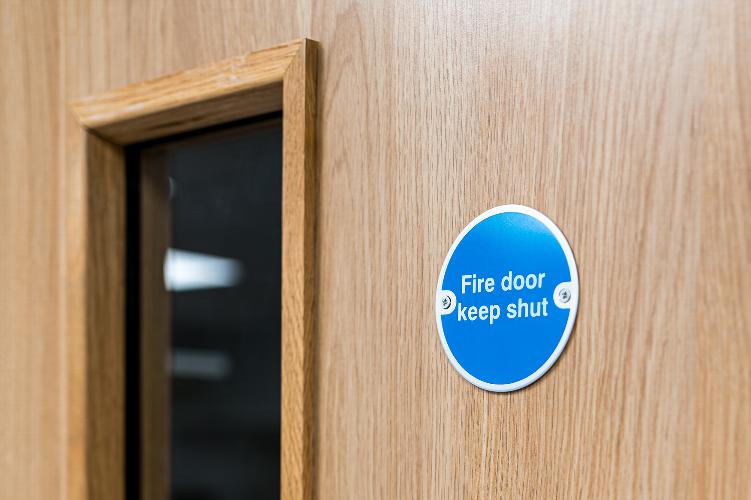
Ensure the required fire door and keep shut signage is visible and legible.
Certification Labels
The fire door's certification label must be present, clear and unaltered as a record of its validity.
Hardware
Check push bars, handles, and other fittings for operation and wear.
Do Fire Doors Have an Expiry Date?
No, fire doors in the UK do not have a fixed expiry date. Their lifespan depends on their ongoing condition and how well they are maintained. A fire door's certification stays valid as long as the door remains unaltered, undamaged and properly maintained. Any significant damage, poor maintenance or unauthorised alterations can invalidate its performance and its certification. That's why regular inspections are necessary, to ensure every fire door remains safe, compliant and able to protect lives and property if called upon.
What Happens If Fire Doors Are Not Inspected Regularly?
Overlooking or delaying regular fire door inspections can have serious implications for building owners, landlords, businesses, and the safety of their occupants. In the UK, strong legislation is in place to ensure fire doors are properly maintained, and failure to comply can lead to far-reaching and severe consequences.
Enforcement Notices
Fire authorities have the legal power to serve statutory enforcement notices requiring urgent remedial action if fire door deficiencies are discovered during inspections or audits. These notices mandate rapid response, and failure to comply may escalate enforcement.
Prosecution
Failure to maintain fire doors in line with the Regulatory Reform (Fire Safety) Order 2005 is a prosecutable offence. Responsible Persons (such as landlords, managing agents, or business owners) may face criminal proceedings, regardless of whether a fire incident has occurred.
Unlimited Fines
Courts can impose unlimited fines for breaches of fire safety legislation. This financial penalty may apply even after just a single inspection failure or if one door is not properly maintained, highlighting the importance of ongoing compliance.
Insurance Invalidation
Many business and property insurance policies require clear evidence of fire safety procedures. If inspections are missed or maintenance neglected, insurers may refuse to pay out on claims, leaving property owners exposed to substantial financial loss after a fire or related incident.
Increased Legal Liability
Landlords or business owners may bear full liability for any loss, injury, or damages caused by faulty fire doors in the event of an emergency. This risk can extend to civil claims from tenants, employees, or visitors.
Heightened Fire Risk
Faulty or poorly maintained fire doors may not close, latch, or seal properly, allowing fire and smoke to spread more quickly through a building. This dramatically increases the risk to life and property and can reduce evacuation time for occupants.
Audit Failures and Forced Closure
Regular inspections by local authorities or insurers are common. Failure to demonstrate a history of timely inspections and maintenance can lead to failed audits, legal intervention, and even forced closure of premises until compliance is restored.
Ensure Your Fire Door Inspection Schedule Meets Legal Requirements
Safeguard your property, residents and business continuity, review your fire door inspection schedule today. Book a professional inspection or ask for advice from our qualified team at Wyvern Risk Management Limited. We'll help you demonstrate legal compliance and ensure your building remains protected from fire risk.
Fire Door Inspections Contact Us