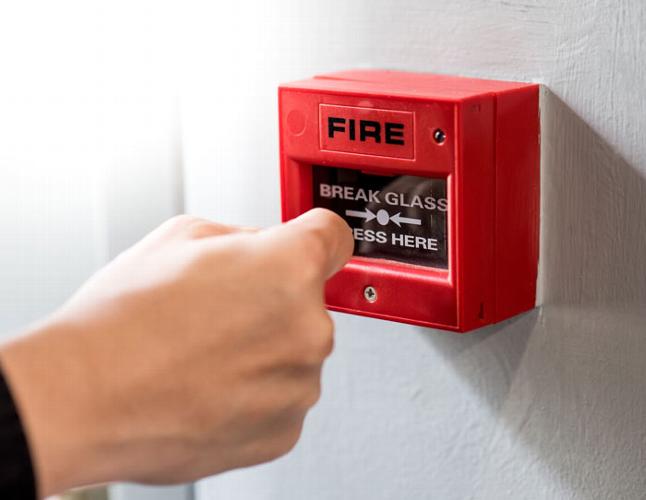
A Guide to Fire Risk Assessments for Landlords
Do landlords need a fire risk assessment? In many cases, yes. Landlords, freeholders, managing agents and property owners may have a legal duty to make sure a suitable and sufficient fire risk assessment is carried out, particularly where a rented property has communal areas, shared escape routes, multiple occupiers, commercial use or paying guests.
For landlords, fire safety is about far more than fitting smoke alarms. A fire risk assessment helps identify hazards, protect tenants, check escape routes, review fire doors, assess communal areas and demonstrate that the property is being managed responsibly. It is especially important for blocks of flats, HMOs, converted buildings, flats above commercial premises, holiday lets, serviced accommodation and commercial rental properties.
This guide explains when landlords need a fire risk assessment, who is responsible, how often it should be reviewed, what fire risk assessments cover and when a fire risk assessment may not be required for flats. It has been written for landlords, managing agents, freeholders and property owners looking for clear, practical information about fire safety compliance.
If you are unsure whether your rental property needs a fire risk assessment, Wyvern Risk Management provides accredited fire risk assessments for landlords, businesses, managing agents and property owners across Bristol, Bath, Cardiff, Gloucester, Exeter and the wider South West.
Fire Risk Assessments Contact Us Now
Do Landlords Need a Fire Risk Assessment?
Yes, landlords need a fire risk assessment when they are responsible for a property, communal area or shared part of a building covered by fire safety legislation. This commonly applies to blocks of flats, HMOs, shared houses, flats above shops, mixed-use buildings, holiday lets, serviced accommodation and commercial rental premises.
The main question, “do landlords need a fire risk assessment?”, depends on the type of property and who has control over the building. If you are a landlord with responsibility for shared hallways, staircases, entrances, corridors, bin stores, plant rooms, shared kitchens, shared lounges or common escape routes, you may be classed as the responsible person and required to arrange a suitable fire risk assessment.
Even where a property feels small or low risk, landlords should not assume they are exempt. A converted house split into flats, a small block with one shared staircase, or a flat above a commercial unit can all create fire safety duties that need to be properly assessed and recorded.
Need to know if your property requires a fire risk assessment? Speak to Wyvern Risk Management for practical advice and accredited fire risk assessments for rental properties, flats, HMOs and commercial premises.
Why Fire Risk Assessments Matter for Landlords
Fire risk assessments matter for landlords because they identify risks that could affect tenant safety, legal compliance, insurance and property management. A professional assessment helps landlords understand what hazards are present, who may be at risk and what actions are needed to reduce the chance of fire or smoke spread.
A landlord fire risk assessment is not simply a box-ticking exercise. It can identify issues such as poorly maintained fire doors, blocked escape routes, inadequate signage, unsuitable alarm coverage, combustible storage in communal areas, missing records, unsafe electrical arrangements or unclear evacuation procedures. These findings help landlords prioritise improvements and keep evidence of responsible fire safety management.
Which Landlords Are Most Likely to Need a Fire Risk Assessment?
Landlords are most likely to need a fire risk assessment if they rent out property with shared areas, multiple occupants, guest accommodation or commercial use. The more people who use the building, the more important it becomes to assess fire hazards, escape routes and fire safety systems properly.
Landlords of HMOs, flats, converted houses, mixed-use premises and serviced accommodation should be particularly careful. These properties often involve shared escape routes, higher occupancy, varied tenant behaviour and greater responsibility for common fire safety measures.
Common landlord property types that may need a fire risk assessment include:
- Blocks of flats with communal corridors, stairs or entrances
- Small blocks of flats with shared landings or escape routes
- Converted houses divided into flats
- Houses in multiple occupation, also known as HMOs
- Student accommodation and shared houses
- Flats above shops, restaurants, offices or takeaways
- Serviced accommodation, holiday lets and Airbnb-style rentals
- Commercial rental units, offices, workshops and retail premises
- Mixed-use buildings with residential and commercial occupiers
Does Every Rental Property Need a Fire Risk Assessment?
Not every rental property needs the same type of fire risk assessment, but every landlord should understand their fire safety duties. A single self-contained house let to one household is different from an HMO, a block of flats or a mixed-use property with shared escape routes.
Even where a formal fire risk assessment is not required under the same rules as a communal residential building, landlords still have wider safety obligations. These can include smoke alarms, carbon monoxide alarms where required, safe electrical installations, gas safety, safe furnishings, clear exits and a property that is fit for tenants to live in.
Manage an short let holiday rental? Read our guide on fire risk assessments for holiday rentals
What Are Your Responsibilities as a Landlord Regarding Fire Safety?
Your responsibilities as a landlord regarding fire safety include identifying fire risks, reducing hazards, keeping escape routes safe, maintaining fire safety measures and providing tenants with clear safety information. These duties vary depending on whether you own a single rental home, an HMO, a block of flats, a holiday let or a commercial property.
Landlords should take a proactive approach to fire safety. Waiting until there is a complaint, insurer request, tenant concern or enforcement visit can create unnecessary risk. A fire risk assessment gives you a structured way to understand the property, document issues and take action before problems become serious.
Carrying Out or Arranging a Fire Risk Assessment
Landlords must arrange a fire risk assessment when they are responsible for premises or shared areas covered by fire safety law. This assessment should be suitable for the building, the occupancy, the fire hazards present and the level of risk.
A landlord may be able to complete a basic assessment if they are competent and the property is simple. However, many landlords choose a professional assessor because rented properties can involve complex issues such as communal escape routes, fire doors, compartmentation, tenant behaviour, converted layouts and shared systems.
Keeping Communal Areas and Escape Routes Safe
Landlords are responsible for keeping communal areas and shared escape routes safe where those areas are under their control. Hallways, staircases, lobbies, corridors and final exits should be clear, accessible and suitable for use in an emergency.
Common problems include bicycles, prams, boxes, furniture, rubbish, cleaning equipment or tenant belongings stored in shared corridors. These items can block escape routes, increase fire loading and make it harder for residents to leave safely if there is smoke or fire.
Maintaining Fire Doors
Landlords and responsible persons must make sure fire doors are suitable, maintained and able to perform their intended role. Fire doors are essential in flats, HMOs and shared buildings because they help hold back fire and smoke, protect escape routes and support the building's fire strategy.
A fire door that is damaged, poorly fitted, wedged open, missing a self-closer or has excessive gaps may not protect residents properly. If your property has communal fire doors or flat entrance doors, a professional inspection may be needed alongside your fire risk assessment.
For more detail, read Wyvern's guide to fire door inspections in the UK
Managing Alarms, Emergency Lighting and Fire Safety Systems
Landlords must make sure fire detection, warning systems and emergency lighting are suitable for the property and properly maintained where required. The correct system depends on the building type, occupancy, layout and escape strategy.
For example, an HMO may require more comprehensive alarm coverage than a single-family rental home. A block of flats may need emergency lighting in communal areas. A mixed-use building may need careful coordination between commercial and residential alarm arrangements.
Providing Fire Safety Information to Tenants
Landlords should provide tenants with clear fire safety information so they understand what to do in an emergency. This is especially important in blocks of flats, HMOs, student accommodation, serviced accommodation and holiday lets where occupants may be unfamiliar with the building.
Tenant information may include fire action notices, escape route instructions, information about keeping corridors clear, advice not to tamper with fire doors and guidance on reporting faults. Good communication helps reduce fire risk and supports compliance.
Need help understanding your landlord fire safety responsibilities? Wyvern Risk Management can provide practical guidance before or after a fire risk assessment.
Who Is Responsible for Fire Risk Assessments: Landlord or Tenant?
The landlord, freeholder, managing agent or responsible person is usually responsible for the fire risk assessment, not the ordinary residential tenant. Tenants still have fire safety responsibilities, but they are not normally responsible for arranging the legal fire risk assessment for communal areas or shared parts of the property.
The person responsible is usually whoever owns, manages or controls the relevant part of the premises. In a simple rental property, this may be the landlord. In a block of flats, it may be the freeholder, residents' management company or managing agent. In a commercial unit, the business tenant may be responsible for the area they occupy, while the landlord may remain responsible for common parts.
When the Landlord Is Responsible
The landlord is responsible for the fire risk assessment when they control the premises, communal areas or shared parts that need to be assessed. This is common in HMOs, shared houses, flats above shops, commercial rental premises and privately owned buildings with shared escape routes.
If you own and manage the property, collect rent, arrange maintenance and control access to common areas, you should assume you may have fire safety duties unless professional advice confirms otherwise.
When the Freeholder or Managing Agent Is Responsible
The freeholder or managing agent may be responsible for fire risk assessment duties in blocks of flats and leasehold buildings. This is because they often control communal corridors, staircases, entrances, risers, bin stores, plant rooms and external escape routes.
Managing agents often arrange fire risk assessments on behalf of landlords, freeholders or residents' management companies. However, duties should be clearly understood and documented so that important actions are not missed.
When Tenants Have Fire Safety Responsibilities
Tenants are usually responsible for cooperating with fire safety measures and avoiding behaviour that creates fire risk. This includes not blocking escape routes, not damaging fire doors, not overloading sockets and reporting defects promptly.
In commercial premises, the tenant may also be a responsible person if they operate a business from the property and control the workplace. In those cases, both landlord and tenant may have duties and should coordinate fire safety arrangements.
When Responsibility Is Shared
Responsibility for fire risk assessment can be shared where more than one person controls different parts of the same building. Mixed-use buildings are a common example, such as flats above a shop, takeaway, restaurant or office.
One party may be responsible for the commercial unit, another for the residential common parts, and another for building-wide systems or structural features. A professional fire risk assessment can help clarify the areas covered and identify where coordination is needed.
When Is a Fire Risk Assessment Required for Flats?
A fire risk assessment is required for flats when there are communal areas, shared escape routes or common parts controlled by a landlord, freeholder, managing agent or responsible person. This applies to many purpose-built blocks, converted buildings, small blocks, flats above shops and multi-occupied residential buildings.
For flats, the assessment usually focuses on the communal parts of the building rather than the private interior of each individual flat. However, the assessment must still consider features that affect the safety of residents, such as flat entrance doors, escape routes, fire separation, external walls, fire doors, alarms and management arrangements.
Fire Risk Assessments for Purpose-Built Blocks of Flats
Purpose-built blocks of flats require a fire risk assessment for the common parts of the building. This can include shared entrances, corridors, stairs, landings, lifts, risers, service cupboards, plant rooms, bin stores and final exits.
The assessment should consider whether residents can safely remain in or leave the building depending on the evacuation strategy, whether escape routes are protected and whether fire safety measures are being properly maintained.
Fire Risk Assessments for Converted Flats
Converted flats often require careful fire risk assessment because older buildings may have been altered, divided or extended over time. These properties can present hidden risks that are not always obvious during day-to-day management.
Common issues in converted flats include poor compartmentation, unsuitable doors, complex escape routes, unprotected staircases, shared services, older electrical systems and unclear responsibilities between landlords or leaseholders.
Fire Risk Assessments for Small Blocks of Flats
Small blocks of flats can still need a fire risk assessment, even if there are only a few dwellings. The size of the building does not remove the need to assess fire risk where communal areas or shared escape routes exist.
A small block with one shared hallway, a single staircase or a common front door can still create risk for multiple households. Landlords and freeholders should not assume that a small building is automatically exempt.
Fire Risk Assessments for Flats Above Shops
Flats above shops, restaurants, offices or takeaways often require a fire risk assessment because residential and commercial fire risks can overlap. These buildings may involve shared access, commercial cooking, electrical equipment, storage, deliveries, waste, and different occupancy patterns.
The assessment may need to consider fire separation between the commercial premises and residential accommodation, how residents escape, whether alarms are suitable and whether the commercial activity below increases the risk to the flats above.
Fire Risk Assessments for High-Rise Residential Buildings
High-rise residential buildings require more detailed fire safety management because of their scale, occupancy and building complexity. Responsible persons may have additional duties around building information, fire doors, resident information and wayfinding signage.
For landlords, freeholders and managing agents responsible for taller residential buildings, a fire risk assessment should form part of a wider fire safety management system that includes inspections, maintenance records, resident communication and regular reviews.
Responsible for flats, blocks or communal areas? Wyvern Risk Management carries out fire risk assessments for landlords, freeholders and managing agents across the South West.
Arrange a fire risk assessment for flats
When Is a Fire Risk Assessment Not Required for Flats?
A fire risk assessment is not usually required under the Fire Safety Order for the private interior of a single flat used solely as a private dwelling, but the communal areas of the building may still require one. This is one of the most common areas of confusion for landlords and leaseholders.
The inside of an individual private flat is treated differently from the common parts of a building. However, a landlord's wider duties do not disappear. Even where a formal fire risk assessment is not required for the flat interior, landlords must still manage basic fire safety and comply with housing, tenancy, electrical, gas and smoke alarm requirements.
Single Self-Contained Flats
A single self-contained flat may not need its own Fire Safety Order fire risk assessment if it is used only as a private dwelling. However, the wider building may still need an assessment if there are shared parts, communal entrances, corridors, stairs or escape routes.
Landlords should be careful not to confuse the private flat with the block it sits within. The flat interior and the communal areas can fall under different duties.
Single Houses Let to One Household
A standard house let to one household may not require the same type of formal fire risk assessment as an HMO or block of flats. This is because there may be no shared communal areas or multiple unrelated occupiers.
However, the landlord still has important safety responsibilities, including providing working smoke alarms, maintaining safe electrical installations, ensuring gas appliances are safe where relevant and keeping the property fit for occupation.
Why “Not Required” Does Not Mean “No Fire Safety Duties”
Even when a formal fire risk assessment is not required, landlords still need to keep their rental property safe from fire. Fire safety duties can come from different areas of law, tenancy rules, licensing requirements, insurer expectations and local authority guidance.
If you are unsure whether your property is exempt, it is safer to get professional advice. This is particularly important if the property is older, converted, shared, licensed, used for short-term lets or part of a building with communal areas.
How Often Should a Fire Risk Assessment Be Carried Out?
A fire risk assessment should be reviewed regularly and whenever there is a significant change to the property, occupancy, layout, use or fire safety arrangements. There is no single fixed review period that applies to every landlord property, but the assessment must remain suitable and sufficient.
For many landlord properties, an annual review is sensible good practice, especially for HMOs, blocks of flats, commercial rentals and multi-occupied buildings. However, a review may be needed sooner if the building changes, tenants change, fire safety equipment is altered or new risks are identified.
Reviewing a Fire Risk Assessment Annually
Many landlords choose to review their fire risk assessment every year to keep records current and demonstrate ongoing fire safety management. This helps ensure completed actions are recorded, new issues are identified and previous recommendations are not forgotten.
An annual review is especially useful for managing agents and landlords with several properties because it creates a structured system for checking compliance across the portfolio.
Reviewing After Building Works or Refurbishment
A fire risk assessment should be reviewed after building works, refurbishment, layout changes or alterations to escape routes. Even small changes can affect fire safety if they alter doors, walls, electrics, heating, storage, occupancy or access.
For example, converting a room, changing a staircase, replacing doors, installing new services or refurbishing communal areas may change how fire and smoke could spread through the property.
Reviewing After a Change in Occupancy
A fire risk assessment should be reviewed when the way people use the property changes. This includes an increase in tenants, a change from single household use to HMO use, vulnerable occupants moving in, or a property becoming serviced accommodation.
Occupancy matters because different people may respond to fire differently. A property occupied by families, students, elderly residents, shift workers or short-term guests may require different fire safety arrangements.
Reviewing After a Fire, Near Miss or Safety Complaint
A fire, near miss, alarm incident or serious tenant complaint should trigger a review of the fire risk assessment. These events can highlight risks that were previously missed or have developed over time.
Examples include repeated false alarms, smoke in communal areas, damaged fire doors, blocked exits, electrical concerns, unsafe storage or evidence of unsafe cooking or smoking behaviour.
For a more detailed guide, read Wyvern's blog: How Often Should a Fire Risk Assessment Be Done?
Who Can Carry Out a Fire Risk Assessment?
A fire risk assessment can be carried out by a competent person with the knowledge, experience and understanding needed to identify fire hazards and recommend suitable precautions. For landlords, competence is extremely important because an inadequate assessment can leave tenants at risk and expose the property owner to enforcement or insurance problems.
A competent assessor should understand fire safety law, building layouts, escape routes, fire doors, alarms, emergency lighting, fire separation, occupancy risks and practical property management. The more complex the property, the more important professional competence becomes.
Can a Landlord Complete a Fire Risk Assessment?
Yes, a landlord can complete a fire risk assessment if they are competent, but many landlords should use a professional fire risk assessor. A basic checklist may be suitable for a simple, low-risk premises, but it may not be enough for flats, HMOs, converted buildings or mixed-use properties.
Landlords should be honest about their knowledge. If you are unsure how to assess fire doors, compartmentation, escape strategy, emergency lighting, common parts or alarm design, a professional assessment is the safer route.
When Should a Landlord Use a Professional Fire Risk Assessor?
A landlord should use a professional fire risk assessor when the property is complex, multi-occupied, shared, commercial, converted or difficult to assess confidently. Professional input is also valuable where an insurer, managing agent, local authority or fire authority has requested evidence of compliance.
Professional fire risk assessments are particularly important for HMOs, blocks of flats, student accommodation, flats above shops, serviced accommodation, buildings with fire doors, properties with communal areas and premises with vulnerable occupants.
Why Competence Matters for Landlords
Competence matters because a fire risk assessment must do more than list obvious hazards. It should identify how fire could start, how it could spread, who could be affected, whether existing measures are adequate and what improvements are needed.
An assessor who lacks the right competence may miss key issues such as poor compartmentation, unsuitable fire doors, inadequate protection to escape routes, missing maintenance records or inappropriate evacuation arrangements.
Why Choose Wyvern Risk Management?
Wyvern Risk Management provides accredited fire risk assessments for landlords, managing agents, freeholders and businesses across Bristol, Bath, Cardiff, Gloucester, Exeter and the wider South West. The team supports property owners with clear reports, practical recommendations and guidance on fire safety compliance.
Wyvern's fire risk assessment service is suitable for landlords who need professional support with flats, HMOs, commercial premises, mixed-use buildings, holiday lets and wider property portfolios.
Need a competent fire risk assessor? Arrange an accredited fire risk assessment with Wyvern Risk Management.
Contact Wyvern Risk Management
Not sure? Read our guide on if you can do your own fire risk assessment here
What Do Fire Risk Assessments Cover?
Fire risk assessments cover fire hazards, people at risk, escape routes, fire doors, alarms, emergency lighting, firefighting equipment, signage, management records and the actions needed to reduce risk. For landlords, the assessment should provide a clear understanding of how safe the property is and what needs to be improved.
A good landlord fire risk assessment should not simply say whether the property has passed or failed. It should identify risks, explain why they matter, prioritise actions and help you plan remedial work in a sensible order.
Fire Hazards and Ignition Sources
A fire risk assessment checks for hazards that could start or worsen a fire. This includes electrical faults, heating equipment, cooking risks, smoking, candles, portable heaters, combustible storage, waste, plant rooms and contractor activity.
For landlords, hazards may also come from tenant behaviour or poor management of communal spaces. A shared hallway used for storage, for example, can both increase the fire load and block an escape route.
People at Risk
A fire risk assessment identifies who could be at risk if a fire occurs. This can include tenants, visitors, contractors, staff, guests, elderly residents, children, people with disabilities and anyone who may need extra support to escape safely.
Understanding who uses the property is vital. A holiday let with unfamiliar guests, an HMO with multiple unrelated tenants and a block of flats with elderly residents may each require different fire safety considerations.
Escape Routes and Final Exits
A fire risk assessment checks whether people can leave the building safely in an emergency. Escape routes should be clear, protected, adequately lit and suitable for the number and type of occupants.
In landlord properties, escape routes often include shared corridors, stairs, lobbies, external paths, communal entrances and final exit doors. These routes must be kept usable and should not be compromised by storage, poor lighting or defective doors.
Fire Doors and Compartmentation
A fire risk assessment reviews fire doors and compartmentation because they help slow the spread of fire and smoke. This is especially important in flats, HMOs and multi-occupied buildings where residents may rely on protected escape routes.
The assessor may identify damaged doors, poor seals, missing self-closers, unsuitable glazing, excessive gaps, damaged frames or service penetrations that could reduce fire protection.
Alarms, Detection and Warning Systems
A fire risk assessment considers whether the property has suitable fire detection and warning systems. This may include domestic smoke alarms, heat alarms, interlinked systems, communal alarm systems or more complex fire alarm panels.
The right system depends on the property type and risk. An HMO, a holiday let, a flat above commercial premises and a commercial rental unit may all need different arrangements.
Emergency Lighting and Fire Safety Signage
A fire risk assessment checks whether emergency lighting and fire safety signage are needed and suitable. These measures help occupants find their way out if normal lighting fails or if they are unfamiliar with the building.
Emergency lighting and signage are particularly important in communal corridors, staircases, commercial areas, guest accommodation and buildings with complex layouts.
Fire Safety Management and Records
A fire risk assessment reviews how fire safety is managed, not just the physical condition of the building. Landlords should be able to show that fire safety measures are checked, maintained and acted upon.
Useful records may include alarm tests, emergency lighting tests, fire door checks, extinguisher servicing, electrical certificates, gas safety records, tenant communication and evidence that previous fire risk assessment actions have been completed.
For more detail, read Wyvern's guide: What Is Included in a Fire Risk Assessment?
Fire Risk Assessments for Different Landlord Property Types
Different landlord property types need different fire risk assessment considerations because the risks vary by layout, occupancy, use and responsibility. A single rental home, HMO, block of flats, holiday let and commercial unit should not be assessed in exactly the same way.
Landlords should think carefully about how people use the property, whether they share facilities, whether they know the building, how they would escape and what fire safety systems are already in place.
Fire Risk Assessments for HMOs
HMOs usually need a fire risk assessment because they involve multiple occupants, shared facilities and shared escape routes. The risk can be higher than in a single-household home because tenants may live independently, cook separately, use different appliances and have different routines.
A fire risk assessment for an HMO may consider bedroom doors, shared kitchens, staircases, alarm coverage, emergency lighting, tenant information, escape routes and housekeeping in communal areas.
Fire Risk Assessments for Blocks of Flats
Blocks of flats need fire risk assessments for communal areas and shared parts of the building. This includes the areas residents use to enter, leave and move through the building, as well as spaces that may contain fire hazards.
The assessment may consider communal corridors, staircases, flat entrance doors, external walls, risers, bin stores, plant rooms, emergency lighting, signage, resident information and fire safety management procedures.
Fire Risk Assessments for Holiday Lets and Serviced Accommodation
Holiday lets and serviced accommodation may need fire risk assessments because they provide sleeping accommodation to paying guests. Guests may be unfamiliar with the property, the exits and the fire safety arrangements.
Landlords and owners should consider escape information, alarm coverage, cooking risks, furnishings, electrical safety, emergency lighting where required and simple instructions for guests.
Read Wyvern's related guide: Fire Safety Law for Holiday Lets.
Fire Risk Assessments for Flats Above Shops
Flats above shops require careful fire risk assessment because commercial activity can affect residential fire safety. Shops, restaurants, offices, takeaways and workshops can introduce different ignition sources, waste risks, electrical loads and occupancy patterns.
The assessment should consider whether residents have a safe means of escape, whether fire separation is adequate, whether alarm arrangements are suitable and whether landlord and tenant responsibilities are clearly coordinated.
Fire Risk Assessments for Commercial Rental Properties
Commercial rental properties usually require a fire risk assessment because they are workplaces or business premises. Responsibility may sit with the commercial tenant, landlord or both, depending on the lease and who controls different parts of the building.
Landlords should make sure shared areas, common systems, structure, access routes and landlord-controlled spaces are properly assessed and maintained.
Fire Risk Assessments for Mixed-Use Buildings
Mixed-use buildings need careful fire risk assessment because residential and commercial uses may create overlapping responsibilities. A common example is a flat above a shop, takeaway, restaurant, office or salon.
These buildings often need a coordinated approach. The commercial occupier may be responsible for their unit, while the landlord, freeholder or managing agent may be responsible for common parts, residential access and shared fire safety measures.
Fire Risk Assessments for Landlords in Bristol, Bath, Cardiff, Gloucester, Exeter and the South West
Wyvern Risk Management provides fire risk assessments for landlords across Bristol, Bath, Cardiff, Gloucester, Exeter and the wider South West. Local landlords, freeholders and managing agents often need support with flats, HMOs, converted buildings, commercial premises, holiday lets and mixed-use properties.
Using a regional fire risk assessor can be helpful because property types vary by area. Older converted buildings, city-centre flats, student HMOs, holiday accommodation, commercial units and mixed-use premises can all present different fire safety challenges.
Fire Risk Assessments for Landlords in Bristol
Landlords in Bristol may need fire risk assessments for HMOs, student accommodation, converted flats, commercial premises and mixed-use buildings. Bristol has many older buildings, shared houses and multi-occupied properties where communal areas and escape routes need careful review.
Wyvern Risk Management supports Bristol landlords with professional fire risk assessments designed to identify risks, prioritise actions and support compliance.
Fire Risk Assessments in Bristol
Fire Risk Assessments for Landlords in Bath
Landlords in Bath may need fire risk assessments for flats, heritage buildings, HMOs, holiday lets and commercial rental premises. Older properties and converted buildings can involve complex layouts, shared escape routes and fire separation considerations.
A professional assessment can help Bath landlords understand whether existing arrangements are suitable and what improvements may be required.
Fire Risk Assessments for Landlords in Cardiff
Landlords in Cardiff may need fire risk assessments for flats, HMOs, student lets, commercial units and mixed-use buildings. Properties with shared areas or multiple occupants should be assessed to ensure hazards are identified and escape routes are protected.
Wyvern Risk Management works with landlords and property managers across Cardiff and the surrounding area to provide clear, practical fire safety reports.
Fire Risk Assessments in Cardiff
Fire Risk Assessments for Landlords in Gloucester
Landlords in Gloucester may need fire risk assessments for rented flats, commercial premises, converted buildings and shared accommodation. The assessment should reflect the building layout, the occupancy and the level of control the landlord has over shared areas.
Professional fire risk assessments can help Gloucester landlords keep their properties safer and better documented.
Fire Risk Assessments for Landlords in Exeter
Landlords in Exeter may need fire risk assessments for HMOs, student properties, holiday accommodation, flats and commercial premises. Landlords should consider shared escape routes, alarms, fire doors, communal areas and tenant information.
Fire Risk Assessments in Exeter
Landlord, freeholder or managing agent in the South West? Wyvern Risk Management can help you understand whether your property needs a fire risk assessment and what actions are required.
Book your landlord fire risk assessment
What Happens If a Landlord Does Not Have a Fire Risk Assessment?
If a landlord does not have a required fire risk assessment, they may face enforcement action, insurance issues, legal penalties and increased risk to tenants. A missing or inadequate assessment can also make it harder to prove that fire safety duties have been taken seriously.
Fire risk assessments help landlords identify and manage risks before an incident occurs. Without one, hazards may remain unnoticed, records may be incomplete and important remedial actions may be delayed.
Enforcement and Legal Risk
Landlords can face enforcement if fire safety duties are not being met. Fire and rescue authorities or other enforcing bodies may take action where risks are not properly managed.
This could include requiring improvements, restricting use of parts of the building or taking further legal action in serious cases. A professional fire risk assessment can help landlords show that risks have been reviewed and action is being taken.
Insurance and Property Management Risk
Landlords may also face insurance and management problems if fire safety documentation is missing or outdated. Insurers may ask for evidence of a suitable fire risk assessment, especially after a fire, claim or inspection.
Having a clear report, action plan and maintenance records can help demonstrate that the property is being managed responsibly.
Tenant Safety Risk
The most serious risk of not having a suitable fire risk assessment is that tenants, visitors or contractors could be placed in danger. Fire hazards, blocked escape routes, failed fire doors or inadequate alarms can have severe consequences.
For landlords, good fire safety management is both a legal duty and a practical responsibility to protect the people living in or using the property.
Landlord Fire Risk Assessment Checklist
A landlord fire risk assessment checklist can help you spot obvious fire safety issues, but it should not replace a competent fire risk assessment where one is legally required. Use this checklist as a starting point to understand whether your property may need professional review.
If you answer “no”, “not sure” or “this needs checking” to any of the points below, it may be time to arrange a fire risk assessment or seek professional fire safety advice.
Property Type and Responsibility
First, landlords should identify the property type and who controls each part of the building. This helps determine whether a fire risk assessment is required and who is responsible for arranging it.
- Is the property an HMO, block of flats, converted building, mixed-use premises or commercial unit?
- Are there communal areas, shared entrances, corridors, stairs or escape routes?
- Do you control any shared areas, plant rooms, bin stores or common facilities?
- Is the property used as serviced accommodation or a holiday let?
Escape Routes and Communal Areas
Landlords should check that escape routes and communal areas are clear, safe and suitable. These areas are often the most important part of a landlord fire risk assessment.
- Are corridors, stairs and exits free from storage and obstructions?
- Can tenants leave the building safely in an emergency?
- Are final exit doors easy to open when needed?
- Are shared areas clean, well managed and free from combustible waste?
Fire Doors, Alarms and Emergency Lighting
Landlords should check whether key fire safety measures are present, suitable and maintained. Fire doors, alarms and lighting can make a significant difference to resident safety.
- Do fire doors close properly and remain in good condition?
- Are smoke alarms, heat alarms or fire alarm systems suitable for the property?
- Is emergency lighting required in communal areas?
- Are fire safety signs and notices clear and appropriate?
Records and Review Dates
Landlords should keep clear fire safety records and know when their fire risk assessment needs reviewing. Good records help demonstrate that risks are being managed and actions are being completed.
- Do you have a current fire risk assessment report?
- Have all recommended actions been completed or scheduled?
- Do you keep records of alarm tests, emergency lighting checks and fire door inspections?
- Has the assessment been reviewed after changes to the building, use or occupancy?
Need more than a checklist? A professional fire risk assessment gives landlords a clear report, action plan and practical recommendations.
Arrange your assessment with Wyvern Risk Management
Fire Risk Assessment FAQs for Landlords
These landlord fire risk assessment FAQs answer the most common searches around legal duties, flats, HMOs, responsibility, review frequency and who can carry out an assessment. They are written to help landlords quickly understand what may apply to their property.
Do landlords need a fire risk assessment?
Yes, landlords need a fire risk assessment when they control premises, communal areas or shared parts covered by fire safety legislation. This commonly applies to HMOs, blocks of flats, converted flats, mixed-use buildings, holiday lets and commercial rental properties.
What are your responsibilities as a landlord regarding fire safety?
Landlords are responsible for identifying fire risks, reducing hazards, keeping escape routes safe, maintaining fire safety measures and providing suitable information to tenants. Responsibilities depend on the property type, layout, occupancy and whether the landlord controls shared areas.
Who is responsible for fire risk assessment: landlord or tenant?
The landlord, freeholder, managing agent or responsible person is usually responsible for the fire risk assessment, not the ordinary residential tenant. Tenants should cooperate with fire safety measures, avoid blocking escape routes and report hazards or damage.
How often should a fire risk assessment be carried out?
A fire risk assessment should be reviewed regularly and whenever there is a significant change to the property, use, occupancy, layout or fire safety arrangements. Many landlords review annually as good practice, but changes or incidents may require an earlier review.
When is a fire risk assessment required for flats?
A fire risk assessment is required for flats where there are communal areas, shared escape routes or common parts controlled by a responsible person. This includes many purpose-built blocks, converted buildings and small blocks of flats.
When is a fire risk assessment not required for flats?
A fire risk assessment is not usually required for the private interior of a single flat used solely as a private dwelling, but the communal areas of the block may still require one. Landlords still have wider fire safety and housing obligations.
Who can carry out a fire risk assessment?
A competent person can carry out a fire risk assessment, but many landlords should use a professional fire risk assessor. This is especially important for HMOs, flats, mixed-use buildings, fire doors and complex properties.
Can a landlord complete a fire risk assessment?
A landlord can complete a fire risk assessment if they are competent to do so. However, if the property has shared areas, multiple occupants, fire doors, commercial use or an unusual layout, a professional assessment is usually recommended.
What do fire risk assessments cover?
Fire risk assessments cover hazards, people at risk, escape routes, fire doors, alarms, emergency lighting, signage, firefighting equipment, management records and recommended actions. The report should help landlords understand what needs improving and why.
Do HMOs need a fire risk assessment?
Yes, HMOs usually need a fire risk assessment because they involve multiple occupants, shared facilities and shared escape routes. The assessment should consider kitchens, bedrooms, corridors, stairs, fire doors, alarms, emergency lighting and tenant behaviour.
Do holiday lets need a fire risk assessment?
Holiday lets and serviced accommodation may need a fire risk assessment because they provide sleeping accommodation to paying guests. Guests are often unfamiliar with the building, so clear escape information and suitable fire safety measures are important.
Where can landlords get professional fire safety advice?
Landlords can get professional fire safety advice from a competent fire risk assessor or specialist fire safety consultancy. Wyvern Risk Management provides accredited fire risk assessments, consultation support and fire door inspection guidance for landlords and property owners.
For more general fire safety questions, visit Wyvern's Fire Safety and Risk Management FAQs.
Book a Fire Risk Assessment for Your Rental Property
If you are asking “do landlords need a fire risk assessment?”, the safest next step is to get clear advice based on your property type, layout and responsibilities. Wyvern Risk Management helps landlords, freeholders, managing agents and property owners understand their legal duties and take practical steps towards compliance.
Whether you manage a single HMO, a small block of flats, a converted property, a mixed-use building, commercial premises, serviced accommodation or a wider property portfolio, a professional fire risk assessment can help you identify risks and prioritise action.
Wyvern Risk Management provides accredited fire risk assessments across Bristol, Bath, Cardiff, Gloucester, Exeter and the wider South West, with clear reports and practical recommendations for landlords and property managers.
For related guidance, you may also find these Wyvern resources useful: